Have you ever encountered an unappetizing scene when trying to figure out how to peel and devein shrimp for a recipe? I can relate! Navigating the world of shrimp can sometimes feel overwhelming, especially when you’re staring at the raw shrimp with their shells still on and wondering how to clean them properly.
Shrimp is a delicious seafood option, but I’m not the biggest fan of buying shrimp that hasn’t been peeled and deveined. I like to know that some of the dirty work has been done for me! However, buying a pound or two of peeled shrimp can be a bit pricey.
This is where I compromise: I opt for frozen shrimp with the heads cut off but the tails still on. Then all I have to do is remove the legs and shell and remove the black goop vein along their back. This black goop is actually the shrimp’s digestive tract, it’s whatever little shrimpy boy was eating before he got scooped up for my dinner.
Can we just call it what it is? It’s shrimp poop! I don’t want to eat shrimp poop, and I’m sure you don’t want to either. So, here’s how to peel and devein shrimp before cooking them to perfection!
Method #1: How to Peel Shrimp by Hand
How to Peel and Devein Shrimp by hand is a straightforward process. It might take a little practice, but once you get the hang of it, you’ll be peeling shrimp like a pro!
Step 1: Grab the Shrimp by the Tail
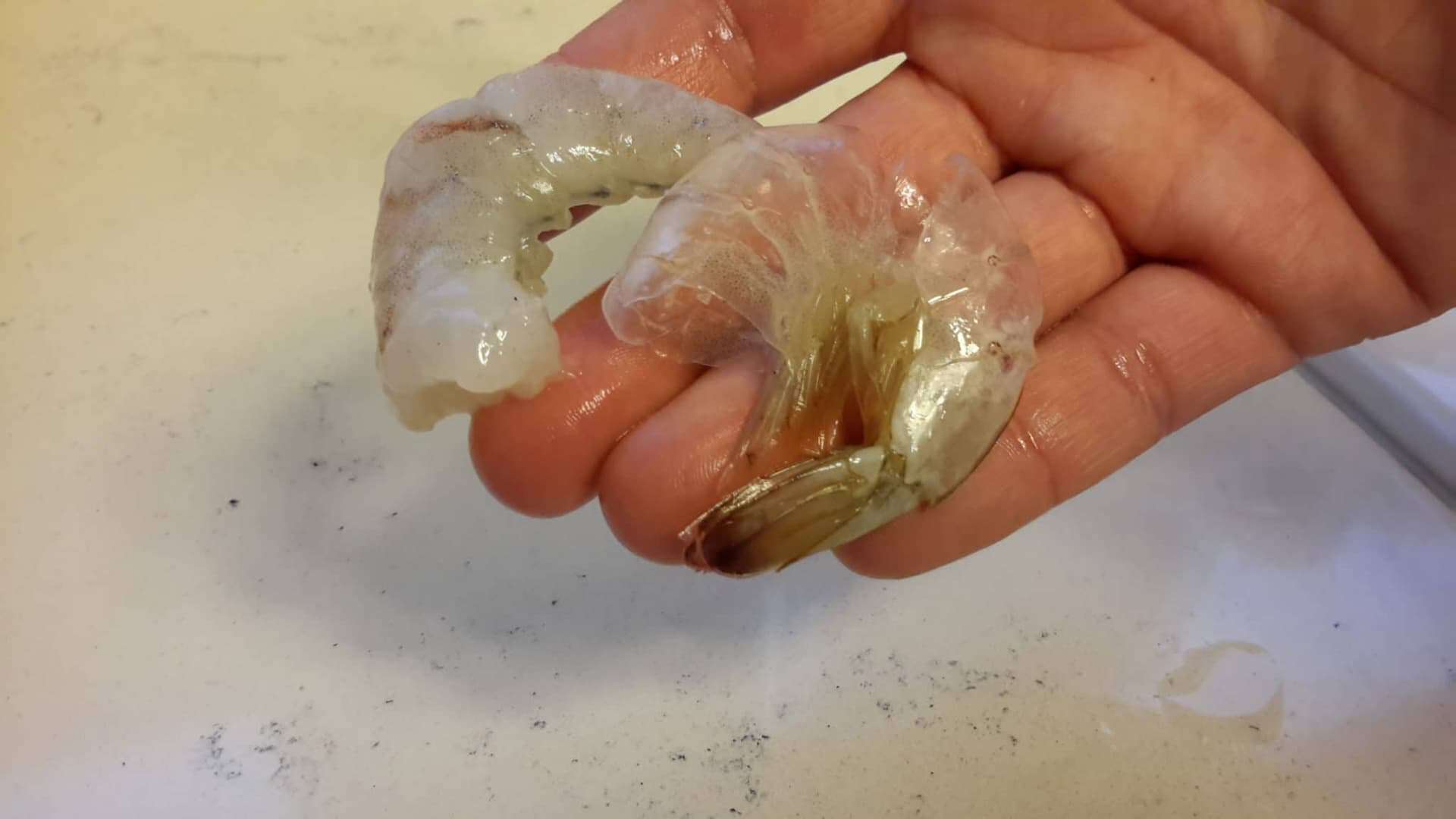
Hold the shrimp by the tail with the leg side down. You might notice the legs are still attached. While it’s not strictly necessary to remove them first, I like to get them out of the way. Simply pull off the legs before moving on. This step makes it easier to work with the shrimp and helps keep your hands cleaner.
Step 2: Crack the Shell
Pinch the tail and back legs together, squeezing the meat out of the tail until you see the guts come out. Use your other hand to secure the shrimp meat, letting the first hand do the work. Move your fingers down the body, grabbing the legs as you pull the shell away. Work your thumbs underneath the shell and crack it open along the underside. As the shell cracks, it should peel away from the shrimp smoothly. Don’t rip the tail off just yet, try to keep the body intact.
Step 3: Pinch off the Tail
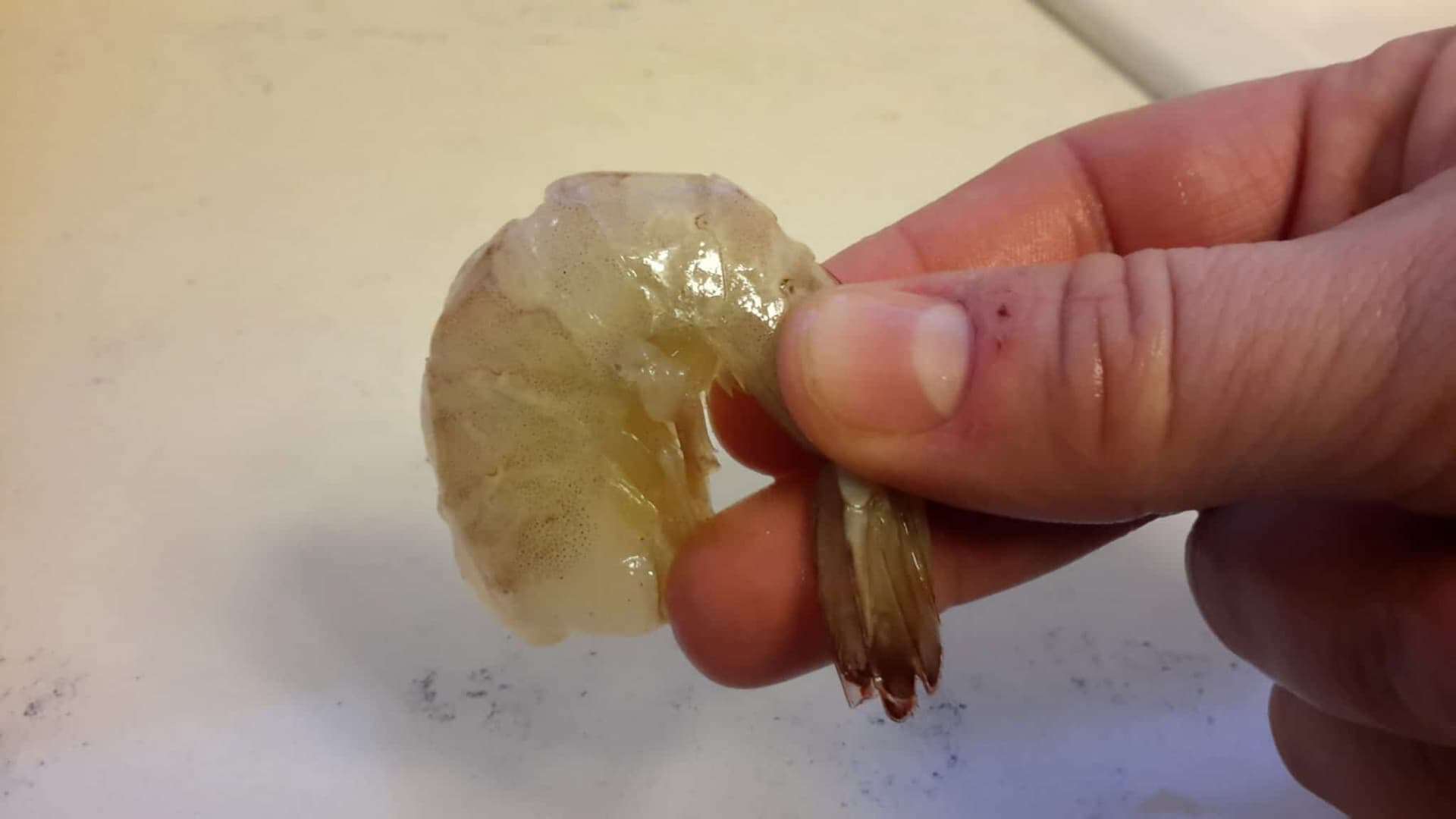
Once you’ve removed the shell, pinch the tail where it meets the body of the shrimp and gently pull. The rest of the shrimp should pull cleanly out of the tail. Some people like to leave the tail on for cooking, but I prefer to remove it now to avoid hunting for tail pieces later.
Method #2: How to Peel the Shrimp with Kitchen Shears
If you’re looking for a slightly easier method, kitchen shears are your friend! This technique can be quicker, especially when dealing with a large batch of shrimp.
Step 1: Cut the Shell
Hold the shrimp firmly, with the tail end pointed away from you. Insert the tip of the kitchen shears between the shrimp and the shell at the head end. Cut along the length of the shell, stopping just before the tail. This controlled incision allows you to avoid damaging the delicate meat underneath, making it easier to peel.
Step 2: Peel Back the Shell
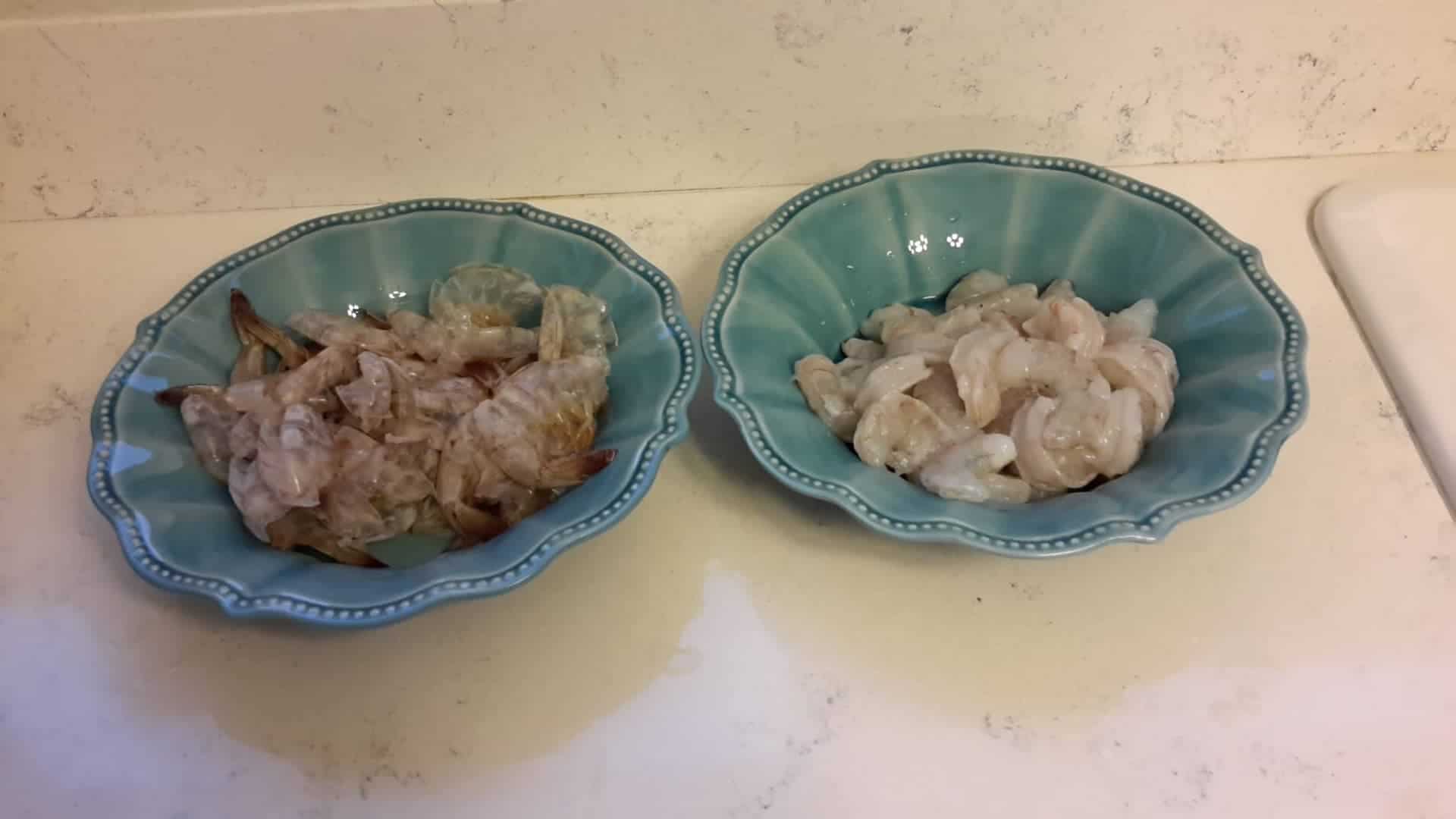
After making your cut, gently peel back the shell from both sides of the incision, starting from the head and moving toward the tail. This minimizes tearing and keeps the shrimp intact. Discard the shell pieces in a bowl to maintain a clean workspace.
Step 3: Pinch off the Tail
Decide whether to leave the tail on for presentation or remove it. To remove, pinch where it meets the shrimp’s body and pull gently. Ensure any remnants of shell or meat are cleared away for clean, ready-to-cook shrimp.Using kitchen shears simplifies peeling and enhances your cooking experience, leaving you with perfectly prepared shrimp for your favorite recipes!
Method #3: How to Peel Shrimp With a Knife
Of course, you can always peel and devein a shrimp with a simple kitchen knife.
Step 1: Score the Back
Flip the shrimp over, and you’ll see the vein along its back. Some shrimp eat more than others, so some may be empty while others might be full! To remove it, take a paring knife and gently score the back of the shrimp. A shallow cut is enough to reveal the vein.

Step 2: Look for the Vein
The vein looks like a long, gritty string. Not every shrimp has one, but if you see it, it’s best to remove it. Leaving it in can affect the overall taste and texture of your dish, so it’s worth the effort to take it out.
Step 3: Pull Out the Vein
Use the tip of the paring knife to gently pull up the vein, starting near the top and working your way down. The vein is pretty elastic, so it usually won’t break. But if it does, just pick it up again and keep pulling.
Final Touches
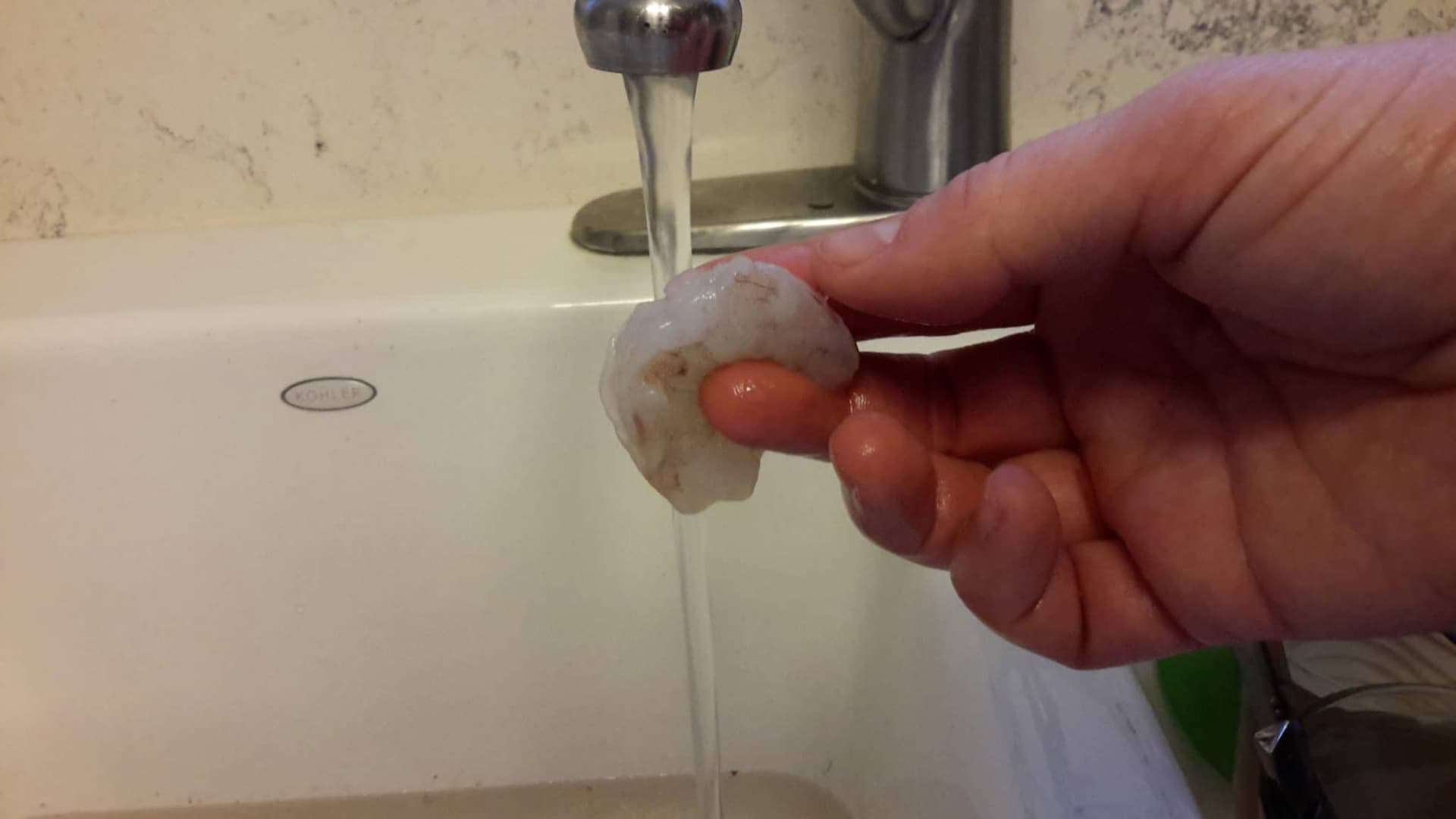
Once you’ve finished peeling and deveining, run the shrimp under water to rinse off any remaining grit. Pat the shrimp dry to remove excess water. This ensures you don’t dilute the flavor of your dish.
Now you have nice, clean crustaceans ready to make that shrimp fried rice or lemony shrimp orzo taste extra fresh! Do you have any special shrimp recipes or techniques you prefer? Is there anything else you would like to know about how to peel and devein shrimp? I’d love to hear!
